Empowering "Dual Carbon" Goals | LandGlass Vacuum Glass Powers Xinjiang’s First Zero-Energy Demonstration Building
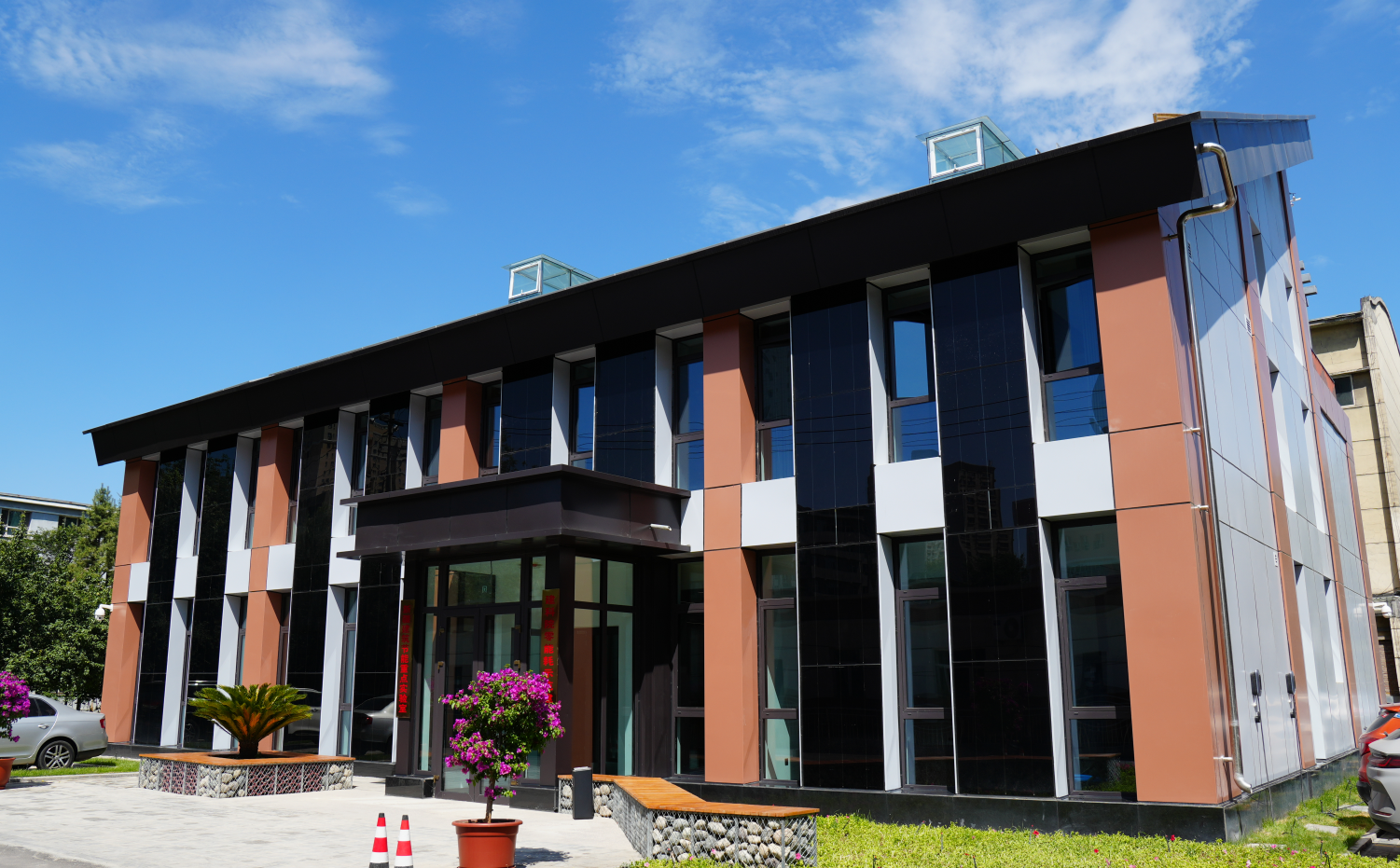
In the severe cold and high-altitude hinterland of Northwest China, a highly technological green building is redefining building energy efficiency standards under extreme climatic conditions. The Xinjiang Academy of Building Research’s first zero-energy demonstration building project has adopted LandGlass Vacuum Glass as its core energy-saving building envelope material. This project successfully overcame the climate challenges of a bitter, high-altitude region, delivering the "LandGlass Solution"—a perfect balance of high comfort and green energy efficiency.
Facing the Extreme: Defying 70°C Temperature Swings and Sub-Zero Cold
The project is located in an area where winter temperatures can plummet to below minus ten degrees Celsius, summer solar radiation is intense, and the maximum diurnal temperature variation approaches 70°C. These extreme weather conditions impose exceptionally harsh requirements on the thermal insulation, resistance to thermal deformation, and weather durability of the building's exterior envelope.
Addressing this pain point, LandGlass utilised its robust technical expertise to tailor an exclusive energy-saving envelope solution for the project. Even under extreme temperature swings, LandGlass Vacuum Glass maintains stable performance. It effectively blocks heat exchange between the indoors and outdoors, drastically reducing heating energy consumption in winter and cooling energy consumption in summer, laying a solid foundation for the building's "zero-energy" goal right from the source.
Remarkable Results: Comprehensive Energy Saving Rate Exceeds 101%
This demonstration building has achieved complete self-sufficiency in year-round electricity, heating, and cooling. According to professional calculations, the project's comprehensive energy-saving rate reaches as high as 101.12%, and its renewable energy utilisation rate reaches 145.24%, successfully meeting zero-energy building standards.
Glass Configuration: 5TL + 16Ar + 5TL + 0.3V + 5T
Note: This represents a hybrid configuration combining a 5mm Low-E Tempered glass, 16mm Argon gas layer, 5mm Low-E Tempered glass, 0.3mm Vacuum chamber, and 5mm Tempered glass for maximum insulation