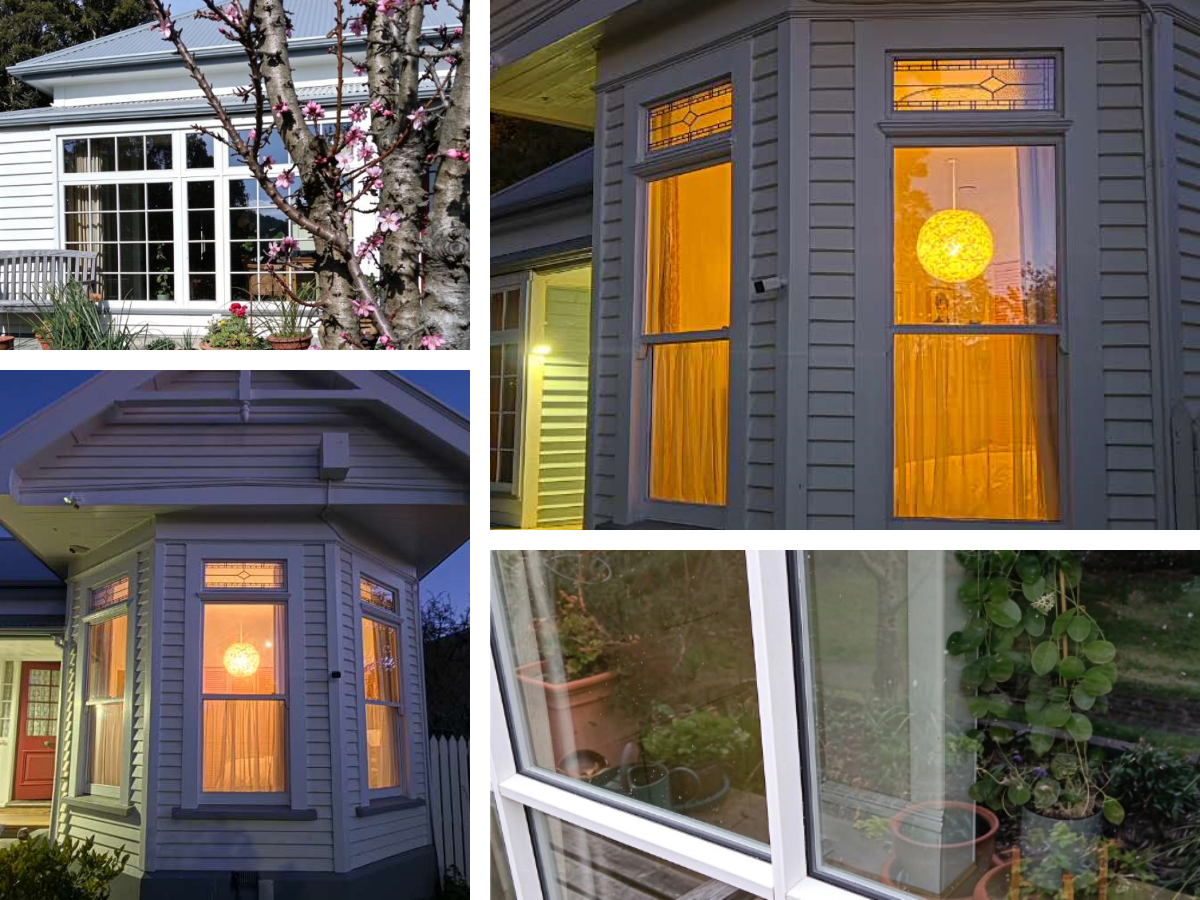
Window Renovation for a Historic Villa in New Zealand: 8.3mm Vacuum Glass Replaces Existing Glazing While Preserving the Original Frames and Architectural Character
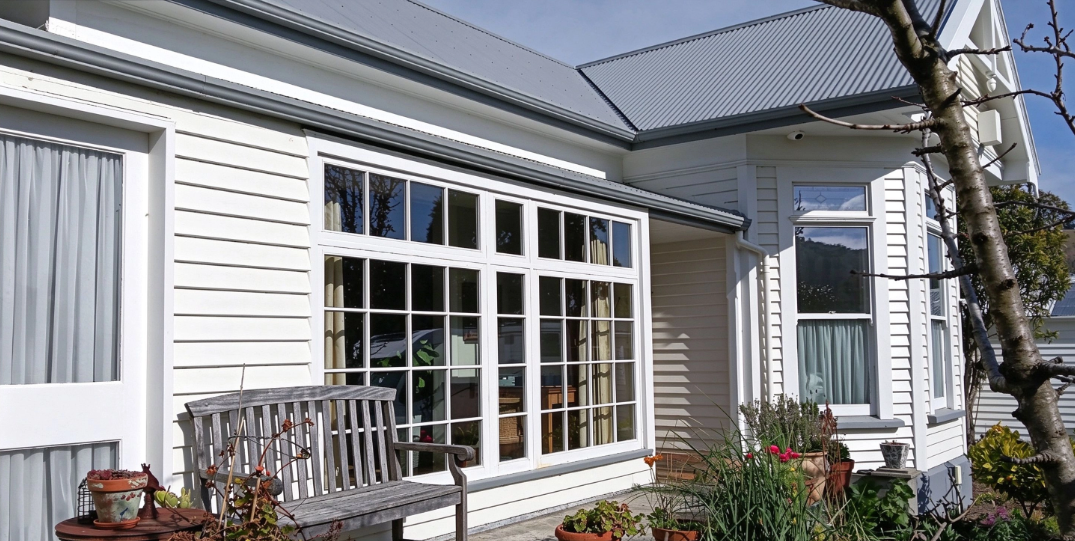
A prestigious villa in New Zealand with distinctive historic character originally featured Colonial Villa-style divided-light single glazing. The owner wanted to significantly improve the home's thermal insulation and living comfort without altering its appearance or replacing the original window frames — one of the most common, yet most challenging, requirements in historic building renovation.
As LandVac's first high-end residential vacuum glazing renovation project in New Zealand, this project upgraded the existing window and door glazing in situ with LandVac Titanium Vacuum Glass. It delivers improved energy efficiency and comfort while preserving the building's historic character.
Project Overview
This project involved renovating the window and door glazing of a single-storey Colonial Villa-style residence. The scope covered the existing window sashes in the main living areas and viewing elevations.
Project Information
| Item | Details |
|---|---|
| Project Location | New Zealand |
| Building Type | Historic villa residence (Colonial Villa style) |
| Original Window Configuration | Divided-light single glazing with original timber frames and glazing bars |
| Renovation Method | Retain the original frames and replace the glass in situ |
| Selected Product | LandVac Titanium Vacuum Glass |
| Product Thickness | 8.3mm |
| Key Performance | Centre-of-glass U-value as low as 0.3 W/(m²·K); weighted sound reduction index Rw up to 39dB |
| Designed Service Life | More than 25 years |
Note: The U-value and sound insulation figures are typical values measured under laboratory conditions. Actual project performance varies with window type, dimensions, installation workmanship and local climate. Refer to the project calculations and test reports for specific values.
Why Is Vacuum Glass Suitable for Historic Building Renovation?
Window renovation in historic buildings often involves a difficult trade-off: improving energy efficiency usually means replacing the entire window, which can sacrifice the original frames and architectural appearance. Keeping the existing windows, on the other hand, can make it difficult to meet modern energy-efficiency requirements. Vacuum glass offers a new way to address this challenge.
How to Replace the Glass Without Replacing the Frames: 8.3mm Slim In-Situ Upgrade
At just 8.3mm thick, LandVac Titanium Vacuum Glass is much thinner than conventional insulating glass and can be fitted directly into the existing frames to replace the original glazing. No frame replacement is required, allowing the original glazing bars and architectural character to be fully preserved. Its lighter weight also reduces the load on older window frames and minimizes intervention in the building fabric during installation.
Thermal Insulation: A High-Vacuum Cavity Helps Stop Heat Transfer at the Source
The space between the two glass panes is a high-vacuum cavity that blocks gas conduction and convective heat transfer at the source. Combined with a high-performance Low-E coating, it delivers a centre-of-glass U-value as low as 0.3 W/(m²·K). With vacuum glass installed, indoor heat is better retained in winter and cool air is easier to maintain in summer, helping reduce heating and cooling energy consumption.
Sound Insulation: Addressing Intrusive Low- and Mid-Frequency Noise
The high-vacuum cavity also provides significant resistance to sound transmission, with a weighted sound reduction index (Rw) of up to 39dB. It is particularly effective against intrusive low- and mid-frequency noise, such as traffic noise, helping create a quieter and more comfortable indoor environment.
Condensation Resistance: Clear Views in Cold and Humid Climates
With its excellent thermal insulation performance, vacuum glass can effectively reduce condensation and frost on the room-side glass surface, helping maintain clear views throughout the year, even in cold and humid climates. This is especially important for historic homes where picture windows are a key feature.
Vacuum Glass vs. Conventional Insulating Glass and Secondary Glazing
Historic building renovation generally involves three approaches: replacing the entire window, adding secondary glazing (a second internal window), or replacing the glass in situ. These options differ significantly in thickness, impact on the building's appearance and level of construction intervention.
Comparison of Three Renovation Options
| Comparison Criteria | LandVac Vacuum Glass | Conventional Insulating Glass | Secondary Glazing (Internal Second Window) |
|---|---|---|---|
| Product Thickness | 8.3mm | Typically over 20mm | Takes up interior space and creates a double-window arrangement |
| Is Frame Replacement Required? | No; glass is replaced in situ | Usually requires frame replacement or modification | No, but an additional internal frame is required |
| Impact on Building Appearance | None; original glazing bars are fully retained | Significant; original frames are difficult to retain | Visible indoors; affects the use of window sills and daylight |
| Thermal Insulation | Centre-of-glass U-value as low as 0.3 W/(m²·K) | U-value is higher than that of vacuum glass in conventional configurations | Depends on the airtightness of the original window and the secondary glazing configuration |
| Sound Insulation | Rw up to 39dB | Moderate | Can improve sound insulation, but there is a risk of cavity resonance |
| Condensation Risk | Low | Condensation may occur more easily at the edges | Condensation may still occur on the inner glass surface |
| Routine Cleaning and Maintenance | Same as ordinary glass | Same as ordinary glass | Both layers of glass must be cleaned separately |
Note: The table provides a qualitative comparison of conventional configurations. Actual performance and suitability should be assessed in conjunction with the frame profile, window dimensions and project conditions.
Relevance to Energy-Efficient Renovation of Existing Buildings in China
The technical approach used in this project is also applicable to similar scenarios in China. In energy-efficiency renovations of existing buildings, upgrades to older residential communities and conservation-led renewal of historic districts, windows and doors are often among the elements with the greatest heat loss in the building envelope, yet they are also among the most difficult to modify. Requirements for preserving the building's appearance, existing frame structures and the need to keep the property occupied often make full window replacement impractical.
In-situ glass replacement with vacuum glass offers a practical middle-ground solution for these projects: improving the thermal performance of windows and doors without changing the building façade. It can be used in historic buildings, traditional villas and brick-and-concrete residential buildings where major alterations to the building envelope are undesirable. It also offers practical engineering reference value for meeting the window thermal transmittance requirements of current energy-efficiency design standards, such as GB 55015-2021, General Code for Building Energy Efficiency and Renewable Energy Utilisation, and the standards for ultra-low-energy and nearly zero-energy buildings (GB/T 51350, Technical Standard for Nearly Zero Energy Buildings).
LandVac Vacuum Glass: Manufacturing Processes and Quality Assurance
-
Fully Tempered Safety Glass: Low-temperature sealing technology preserves the strength and impact resistance of tempered glass, meeting building safety glass standards.
-
Composite Metal Edge Seal for Long-Term Hermeticity: The composite metal edge seal works with a built-in high-efficiency getter to maintain stable vacuum performance over time. The designed service life exceeds 25 years, delivering long-term benefits from a single renovation.
-
Automated Production Line for Consistent Quality: The fully automated production line for titanium vacuum glass reduces manual intervention and ensures consistent, reliable performance in every pane.
-
Extensive Experience in In-Situ Renovation: The products have been used in historic buildings and conservation renovation projects worldwide. Customised solutions can be provided for the window types found in older buildings.
Renovation Results
After renovation, the historic villa achieved improvements in both energy efficiency and comfort while fully retaining its original architectural character.
-
Preserved Architectural Character: All original window frames and glazing bars were retained, preserving the building's appearance and historic details.
-
Reduced Energy Consumption: The thermal insulation performance of the windows and doors was significantly improved, helping reduce heating and cooling energy consumption and supporting a lower-carbon lifestyle.
-
Improved Living Comfort: Indoor temperatures are more stable, noise is significantly reduced, and condensation no longer forms on the room-side glass surface — creating a warm environment in winter, a cool one in summer, and a quieter, clearer living space.
-
Long-Lasting Performance: With a designed service life of more than 25 years, the product offers the owner long-term energy savings and lasting comfort.
Frequently Asked Questions
Can vacuum glass be installed directly into existing window frames?
Yes.LandVac Titanium Vacuum Glass is 8.3mm thick, close to the thickness of conventional single glazing. Where the frame rebate dimensions and structural strength meet the requirements, it can directly replace the existing glass without replacing the frame. Actual compatibility should be assessed on site based on the original frame profile, rebate width and opening configuration.
How much thinner is 8.3mm glass than insulating glass, and can the frames support its weight?
Conventional insulating glass is typically more than 20mm thick. At 8.3mm, vacuum glass is closer in thickness to the original single glazing and is also lighter. It places less weight on older timber frames than an insulating glass solution and generally requires fewer modifications to the frames during installation.
Which is more suitable: vacuum glass or adding secondary glazing?
It depends on how sensitive the project is to the use of interior space. Secondary glazing does not require modifying the original window, but it takes up interior space, affects the use of window sills and daylight, and requires the two layers of glass to be cleaned separately. In-situ replacement with vacuum glass takes up no additional space and can be cleaned in the same way as ordinary glass, making it more suitable for historic homes where picture windows are a feature and secondary glazing is impractical.
Does replacing the glass in an older property require approval?
This depends on local regulations governing historic buildings. For work on heritage buildings or within conservation areas, it is generally necessary to check whether there are restrictions on changes to the appearance or materials. In-situ glass replacement does not alter the façade or window frames and is generally less likely to encounter approval obstacles than full window replacement. However, the requirements of the local authority responsible for the project must always be followed.
Will vacuum glass develop condensation?
The risk of condensation on the room side is significantly reduced. The vacuum cavity blocks gas conduction and convective heat transfer, keeping the inner glass surface closer to room temperature and making condensation and frost less likely in cold and humid climates. Performance under extreme conditions is related to indoor humidity and ventilation.
What are the service life and warranty period of vacuum glass?
The designed service life is more than 25 years. The composite metal edge seal and built-in high-efficiency getter maintain the vacuum level in the cavity, ensuring long-term vacuum stability. Specific warranty terms are subject to the project contract.
Find Out More
If you would like to learn more about the full performance specifications of titanium vacuum glass, compatible window types and renovation solutions for existing buildings, please refer to the Titanium Vacuum Glass Performance Specifications or Contact Us for project assessment and customised recommendations.
Related Reading: Vacuum Glass Product Overview|Other Historic Building Renovation Projects
A window can preserve a century of architectural character while bringing comfort through every season. LandVac Titanium Vacuum Glass helps historic buildings embrace a new lease of life in the era of energy efficiency.